Peaceful Pleasures Health and Wellness
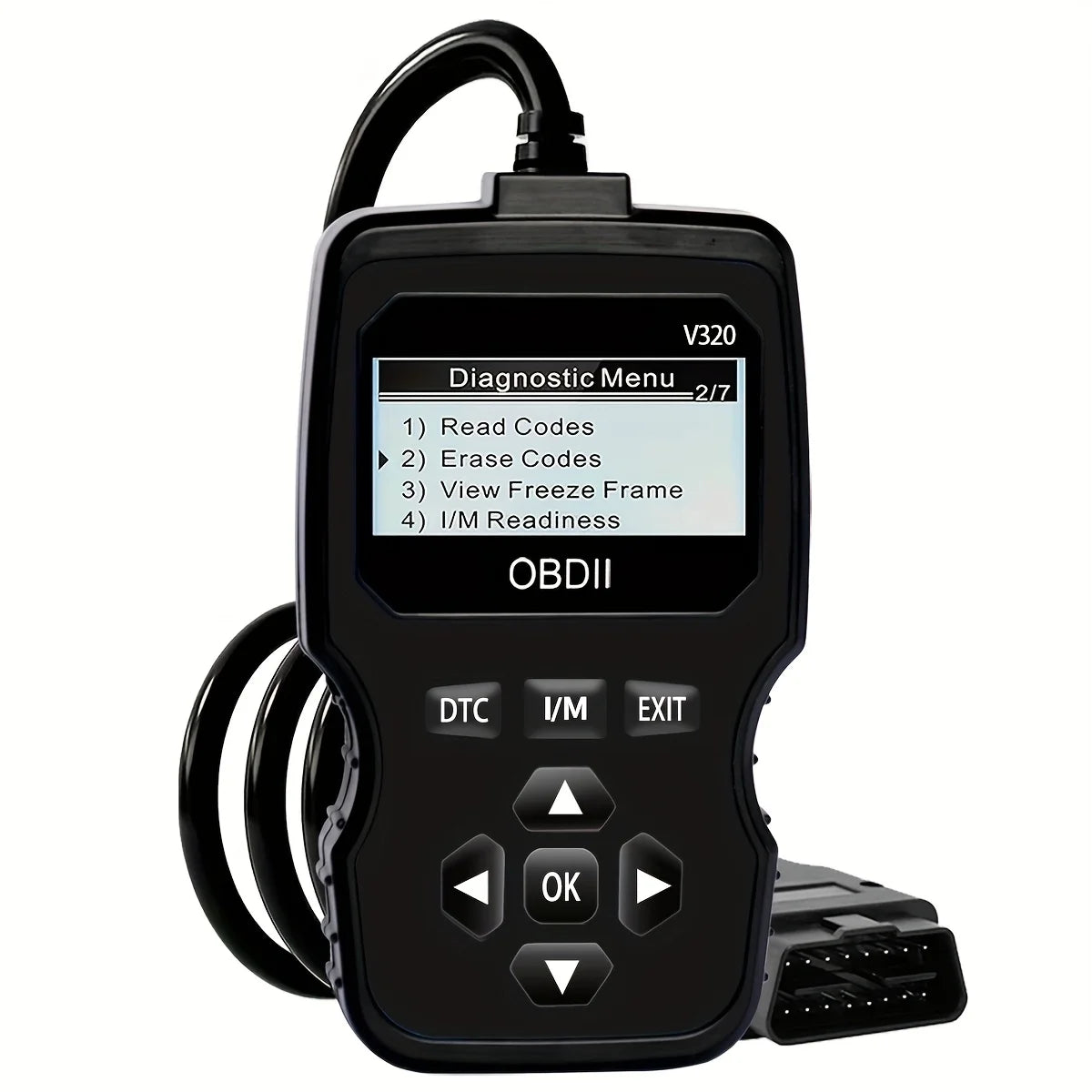
V320 OBD2 Scanner – Diagnostic Tool for Cars & Trucks 1996+
V320 OBD2 Scanner – Diagnostic Tool for Cars & Trucks 1996+
Couldn't load pickup availability
Take Control of Your Vehicle's Health with the V320 OBD2 Scanner
Stop guessing when your check engine light comes on. The V320 OBD2 Scanner is a powerful, plug-and-play diagnostic tool that works with virtually any car or truck manufactured from 1996 onwards. Whether you're a seasoned mechanic or a first-time DIYer, this handheld scanner gives you instant access to critical vehicle data — no battery required, no complicated setup needed.
Key Features
- Universal OBD2 Compatibility: Works with all OBD2-compliant cars, SUVs, and light trucks from 1996 and newer — covering most major makes and models.
- Read & Clear Diagnostic Trouble Codes (DTCs): Identify the exact cause of your check engine light and clear codes after repairs.
- Live Data Stream: View real-time sensor data including RPM, engine load, coolant temperature, and more.
- Oxygen Sensor Test: Monitor O2 sensor performance to ensure optimal fuel efficiency and reduce emissions.
- Battery Voltage Monitor: Check your vehicle's battery and charging system voltage at a glance.
- I/M Readiness Check: Instantly verify whether your vehicle will pass emissions inspection — before you head to the test station.
- Vehicle Information: Retrieve your vehicle's VIN, calibration IDs, and ECU information.
- No Battery Required: Powered directly through the OBD2 port — always ready when you need it.
- Compact & Portable: Lightweight design fits easily in your glove box or toolbox.
Who Is This For?
The V320 is ideal for everyday drivers who want to diagnose problems before visiting a mechanic, car enthusiasts who perform their own maintenance, and professional technicians needing a reliable quick-scan tool. Save time, save money, and never be caught off guard by an unexpected repair bill again.
Technical Specifications
- Compatible Vehicles: OBD2-compliant cars & trucks (1996 and later)
- Connection: OBD2 16-pin port (wired, no wireless)
- Power Source: Vehicle OBD2 port (no battery required)
- Functions: DTC read/clear, live data stream, O2 sensor test, battery voltage, I/M readiness, vehicle info
- Made in Mainland China
Related Products You May Like
- Gravity Electric Grinder Set with LED Light
- 1.8M DisplayPort to HDMI Cable 4K DP Adapter – PC TV Monitor
Further Reading
Want to understand more about vehicle emissions and OBD systems? Visit the U.S. EPA's On-Board Diagnostics (OBD) resource page for authoritative information on how OBD2 systems help reduce vehicle emissions and improve air quality.
Frequently Asked Questions
Q: Is the V320 OBD2 scanner compatible with my car?
A: The V320 OBD2 scanner is compatible with all OBD2-compliant vehicles, which includes virtually all cars, SUVs, and light trucks sold in the United States from 1996 onwards. If your vehicle was manufactured in 1996 or later, it is almost certainly OBD2 compliant. Simply locate the OBD2 port (typically found under the dashboard on the driver's side) and plug in the scanner.
Q: Do I need to install any software or batteries to use this scanner?
A: No. The V320 OBD2 scanner requires no batteries and no software installation. It draws power directly from your vehicle's OBD2 port and is ready to use the moment you plug it in. This makes it one of the most hassle-free diagnostic tools available.
Q: Can the V320 scanner turn off my check engine light?
A: Yes. Once you have diagnosed and resolved the issue causing a Diagnostic Trouble Code (DTC), the V320 can clear the code and turn off the check engine light. Keep in mind that if the underlying issue is not fixed, the light may reappear.
Q: What is an I/M Readiness check and why is it useful?
A: I/M Readiness (Inspection and Maintenance Readiness) checks whether your vehicle's onboard monitors have completed their self-tests. This is particularly useful before an emissions inspection, as it tells you in advance whether your car is likely to pass — saving you time and the cost of a failed test.