Peaceful Pleasures Health and Wellness
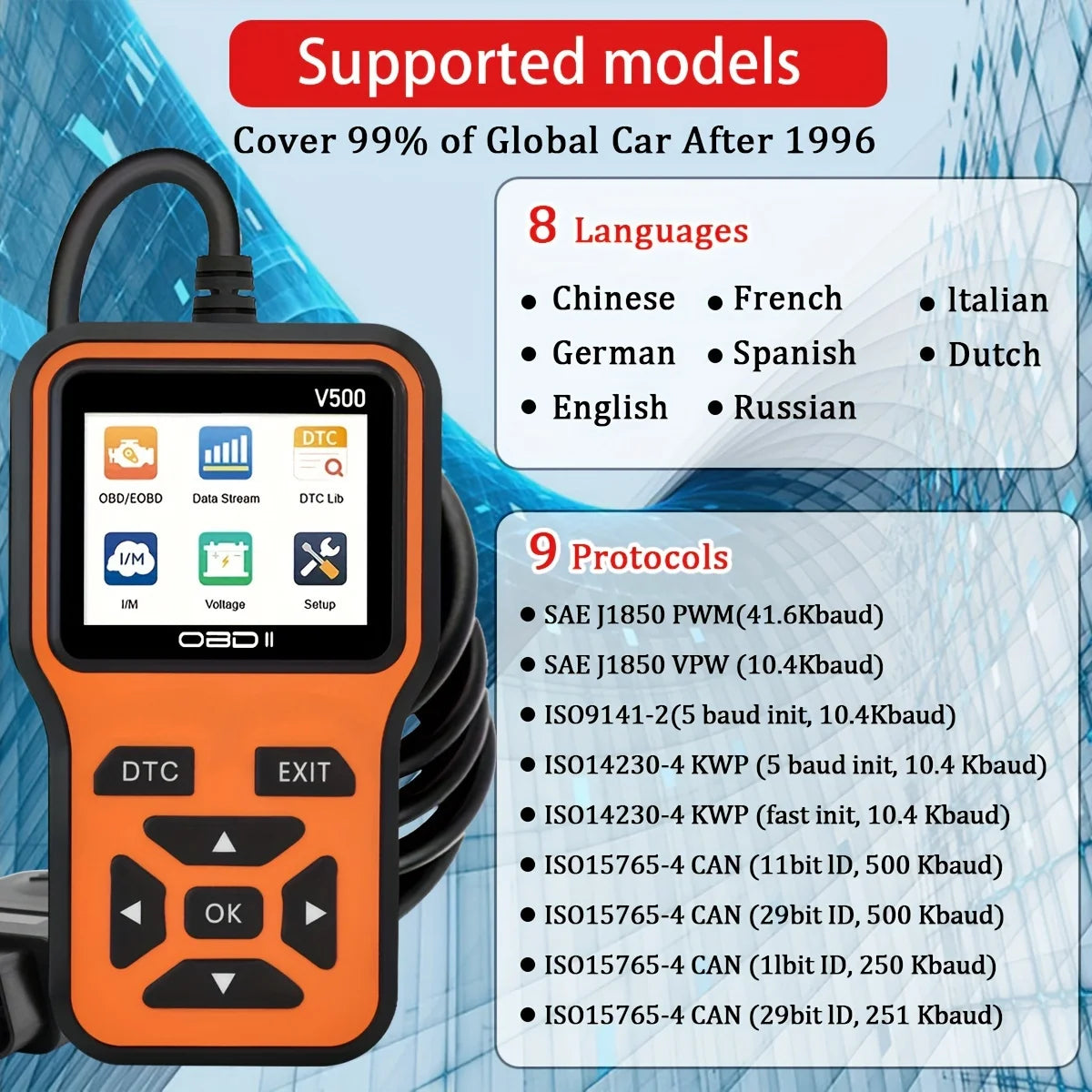
OBD2 Scanner – Plug-and-Play Diagnostic Tool, All Cars 1996+
OBD2 Scanner – Plug-and-Play Diagnostic Tool, All Cars 1996+
Couldn't load pickup availability
Read & Clear Engine Codes Instantly – No Battery Required
Take control of your vehicle's health with this plug-and-play OBD2 scanner. Whether you're a professional mechanic or a DIY car enthusiast, this heavy-duty OBD-II CAN diagnostic tool makes it fast and easy to read and erase fault codes on virtually any car, truck, or SUV made in 1996 or later. No external battery needed — it draws power directly from your vehicle's OBD-II port.
Note: This product is an automotive diagnostic tool and is not a health or medical device. No FDA disclaimer applies.
Why You'll Love This OBD2 Scanner
- ✅ Universal Compatibility – Works with all OBD-II compliant vehicles: cars, trucks, and SUVs (1996 and later, domestic & import)
- ✅ Read & Erase Fault Codes – Quickly identify the source of your check engine light and clear codes with ease
- ✅ Plug-and-Play – No software installation, no external battery, no complicated setup — just plug in and go
- ✅ Heavy-Duty Build – Designed for both professional mechanics and everyday drivers
- ✅ OBD-II / CAN Protocol Support – Compatible with a wide range of modern vehicle communication interfaces
- ✅ Save Money – Skip the expensive dealership diagnostic fees by checking codes yourself
- ✅ Compact & Portable – Lightweight design makes it easy to keep in your glove box or toolbox
What Does It Do?
This scanner connects directly to your vehicle's OBD-II port (typically located under the dashboard on the driver's side). Once connected, it communicates with your car's onboard computer to retrieve Diagnostic Trouble Codes (DTCs), giving you a clear picture of what's wrong. You can also reset the check engine light once repairs are made — saving you a trip (and a bill) to the shop.
Who Is It For?
This tool is ideal for:
- Professional mechanics and auto technicians
- Fleet managers and truck operators
- DIY car owners who want to stay on top of vehicle maintenance
- Anyone who wants to understand their check engine light before visiting a mechanic
Compatibility
- Vehicles: All OBD-II compliant cars, trucks, and SUVs (1996 and newer)
- Communication Protocol: OBD-II / CAN
- Wireless: No (wired connection via OBD-II port)
- External Battery: Not required — powered by vehicle
Made in Mainland China.
Helpful Resources
- Looking for more automotive accessories? Check out our OBD2 & Car Diagnostic Tools collection.
- Keep your vehicle organized on the road with our Smart Automation & Vehicle Accessories.
- Learn more about OBD systems and what diagnostic codes mean from the U.S. Environmental Protection Agency (EPA) – OBD Overview.
Frequently Asked Questions
Q: What vehicles is this OBD2 scanner compatible with?
A: This OBD2 diagnostic scanner is compatible with all OBD-II compliant cars, trucks, and SUVs manufactured in 1996 or later — including both domestic and import vehicles. If your vehicle has an OBD-II port (standard on all U.S. vehicles from 1996 onward), this tool will work with it.
Q: Do I need to install any software or buy batteries?
A: No! This is a true plug-and-play OBD2 scanner. Simply plug it into your vehicle's OBD-II port, and it draws power directly from the car — no external battery or software installation required.
Q: Can this scanner clear the check engine light?
A: Yes. In addition to reading Diagnostic Trouble Codes (DTCs), this scanner can erase fault codes and reset the check engine light after the underlying issue has been addressed.
Q: Is this tool suitable for professional mechanics or just DIYers?
A: Both! Its heavy-duty design and broad OBD-II / CAN protocol support make it suitable for professional mechanics, fleet operators, and everyday car owners alike.
Q: What is the OBD-II port and where do I find it on my vehicle?
A: The OBD-II (On-Board Diagnostics II) port is a standardized diagnostic interface found in virtually all vehicles made after 1996. It is typically located under the dashboard on the driver's side of the vehicle.