Peaceful Pleasures Health and Wellness
OBD2 Scanner – Engine Fault Code Reader & Real-Time Data
OBD2 Scanner – Engine Fault Code Reader & Real-Time Data
Couldn't load pickup availability
Read, Diagnose & Clear Car Fault Codes in Seconds
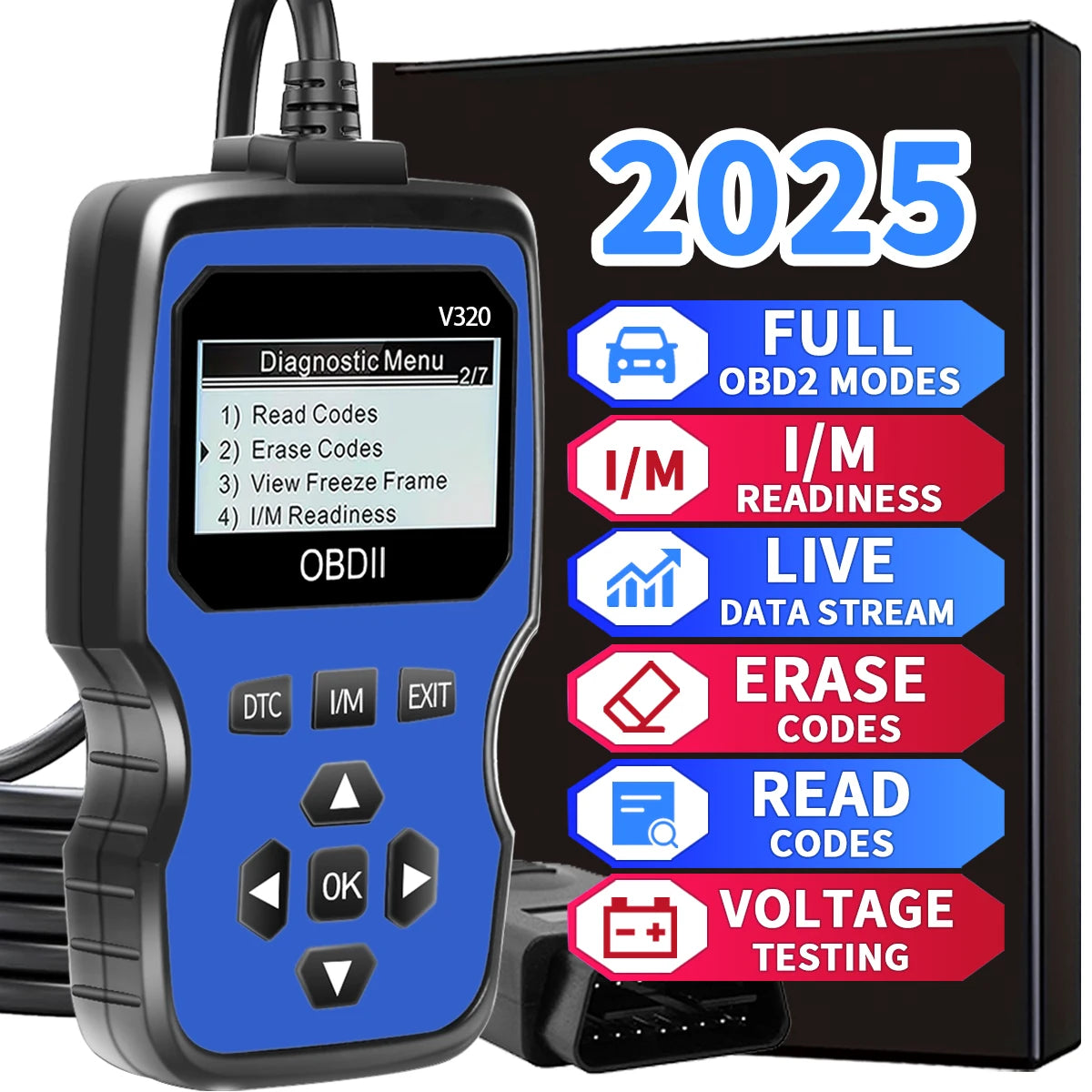
Take the guesswork out of car trouble with this advanced OBD2 Scanner. Whether your check engine light just came on or you want to stay ahead of costly repairs, this plug-and-play diagnostic tool gives you real-time insight into your vehicle's health — right from the driver's seat. Compatible with all OBD2-compliant vehicles (most cars and light trucks made after 1996), it's the must-have tool for every car owner and DIY mechanic.
Made in Mainland China.
Key Features
- Engine Fault Code Reader: Instantly read and clear Diagnostic Trouble Codes (DTCs) — no more expensive trips to the auto shop just to find out what's wrong.
- Real-Time Data Stream: Monitor live engine data including RPM, coolant temperature, vehicle speed, oxygen sensor readings, and more as you drive.
- Battery Voltage Tester: Check your vehicle's battery and charging system voltage to prevent unexpected breakdowns.
- Freeze Frame Data: Capture engine conditions at the moment a fault code was triggered for more accurate troubleshooting.
- I/M Readiness Check: Quickly verify if your vehicle is ready to pass emissions tests — saving you time and money.
- Plug-and-Play Design: Simply plug into the OBD2 port (usually located under the dashboard) — no batteries required, powered directly by the vehicle.
- Universal Compatibility: Works with most OBD2-compliant cars, SUVs, and light trucks (1996 and newer).
- Easy-to-Read Display: Clear screen with intuitive menu navigation — no technical expertise required.
What's in the Box?
- 1 x OBD2 Diagnostic Scanner
- 1 x User Manual
Compatible Protocols
- KWP2000, ISO9141-2, J1850 VPW, J1850 PWM, CAN
Why You Need an OBD2 Scanner
According to the U.S. Environmental Protection Agency (EPA), OBD2 systems have been mandatory on all vehicles sold in the United States since 1996 to monitor emission-related components. Having your own scanner means you can diagnose problems early — potentially saving hundreds in diagnostic fees and catching issues before they become serious engine damage.
Looking for more automotive accessories? Check out our Stainless Steel Pressure Washer Drain Hose Nozzle for your car washing needs, or explore our 1-In-2-Out HDMI Splitter Cable for your garage or workshop entertainment setup.
Specifications
- Wireless: No (wired OBD2 connection)
- Batteries Required: No (vehicle-powered)
- Origin: Mainland China
- High-Concern Chemicals: None
Frequently Asked Questions
Q: What vehicles is this OBD2 scanner compatible with?
A: This OBD2 diagnostic scanner is compatible with most gasoline and diesel-powered cars, SUVs, and light trucks manufactured in 1996 or later that are OBD2-compliant. This covers the vast majority of vehicles sold in the United States, Canada, and Europe. It supports all five standard OBD2 protocols: KWP2000, ISO9141-2, J1850 VPW, J1850 PWM, and CAN.
Q: Do I need any technical experience to use this scanner?
A: No technical expertise is required. Simply plug the scanner into your vehicle's OBD2 port (typically located under the dashboard on the driver's side), turn on the ignition, and follow the on-screen menu. The scanner will display engine fault codes and real-time data in plain language.
Q: Can this scanner turn off the check engine light?
A: Yes! Once you've read and addressed the underlying fault codes, you can use the scanner to clear the DTC codes, which will turn off the check engine light. Note that if the underlying issue is not fixed, the light will return.
Q: Does this OBD2 scanner require batteries or charging?
A: No batteries are needed. The scanner is powered directly through your vehicle's OBD2 port, so it's ready to use anytime without charging or battery replacement.
Q: Is this scanner compatible with electric vehicles (EVs)?
A: This scanner is designed primarily for OBD2-compliant gasoline and light diesel vehicles. Compatibility with fully electric vehicles (EVs) or hybrids may vary, as some EVs use proprietary diagnostic systems beyond the standard OBD2 protocol. We recommend checking your vehicle's manual for OBD2 port availability.